Treatment for Mood Disorders
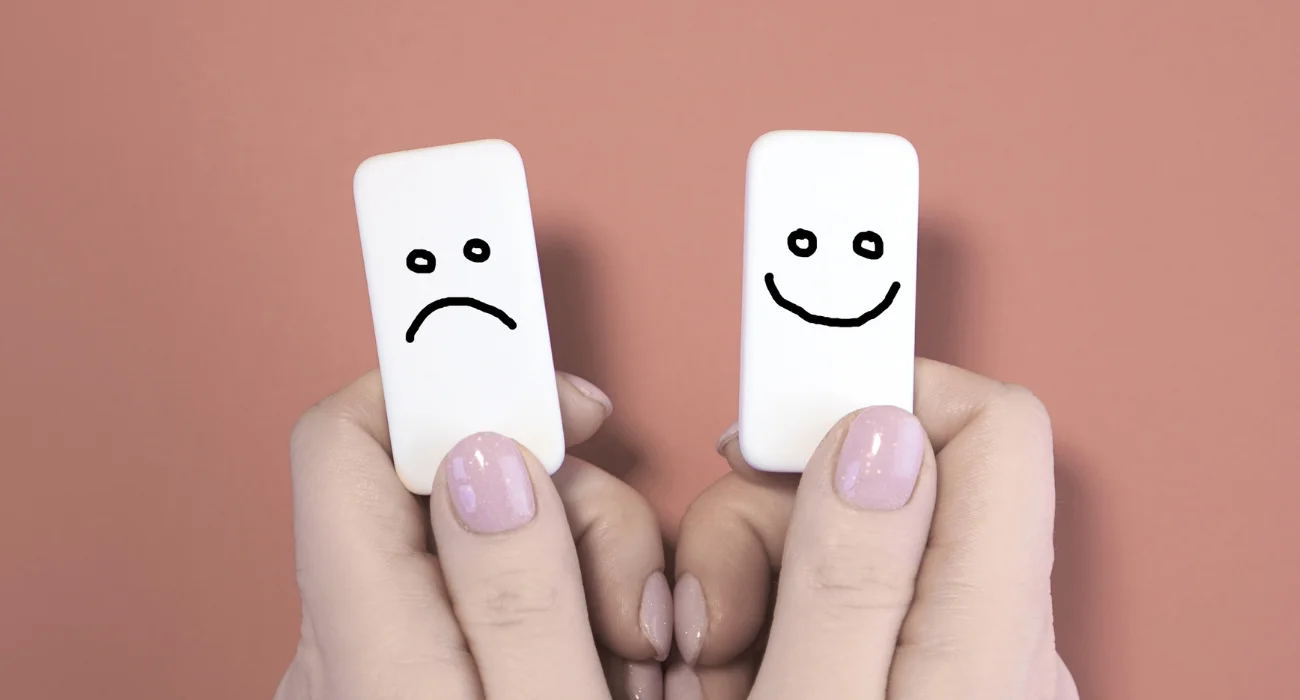
The lows are real. The highs can be just as hard. You’re allowed to get help.
Mood disorders affect more than your mood. They impact your energy, motivation, memory, relationships, and ability to feel like yourself. They make you feel different every day and that might cause a lot of confusion mentally.
But you don’t need to second guess yourself anymore.
Therapies like Cognitive Behavioral Therapy (CBT), Dialectical Behavior Therapy (DBT), Psychodynamic Therapy, Interpersonal Therapy (IPT), and mindfulness-based approaches offer tools for long-term recovery.
Types of Mood Disorders
Mood disorders take many forms, each with its own patterns, triggers, and impact on daily life.
Depression
More than sadness, depression affects your sleep, appetite, energy, and motivation. You often find yourself feeling guilty or numb and blame yourself for the tiniest mistakes. It makes everyday tasks feel impossible, even when nothing seems “wrong” from the outside.
Bipolar Disorder
You switch between low and elevated moods, which could be depression, periods of high energy or irritability, racing thoughts, or impulsive behavior. The shifts feel destabilizing, even when parts of them seem productive or creative.
Persistent Depressive Disorder (Dysthymia)
It is a long-term low-grade form of depression. It may not stop you from functioning, but it can leave you feeling flat, disconnected, or constantly exhausted without a clear reason.
Cyclothymia
Cyclothymia includes milder mood swings than bipolar disorder but still disrupts emotional balance. You may notice patterns of low mood followed by periods of elevated energy that feel off-rhythm with your environment or inner life.
Caused by a Medical Condition or Substance Use
Some mood disorders are triggered by thyroid issues, chronic illness, medication side effects, or substance use. The emotional changes are real and disruptive, even when they stem from an identifiable physical cause.
Therapies for Mood Disorders
Cognitive Behavioral Therapy (CBT)
CBT teaches you how to challenge unhelpful thinking and shift behaviors that keep you stuck. Over time, it builds structure, problem-solving skills, and a more balanced view of yourself and your experiences.
Dialectical Behavior Therapy (DBT)
DBT is useful when moods feel intense or hard to manage. It teaches emotional regulation, distress tolerance, and relationship skills. It helps you find tools and strategies to move through emotional extremes without shutting down or acting impulsively.
Psychodynamic Therapy
This therapy focuses on the emotional patterns you learned early on, so you can relate to others and manage personal needs. It also helps uncover unresolved conflicts or unconscious beliefs that shape your moods, so you have a deeper understanding of yourself.
Interpersonal Therapy (IPT)
IPT looks at how your relationships, life changes, and social stressors affect your mood. It helps improve communication, manage grief or transitions, and repair conflict. IPT focuses on the connection between emotional well-being and the quality of your relationships.
Mindfulness-Based Approaches
Mindfulness teaches you to notice your emotions without being overwhelmed by them. It builds awareness of your inner state and helps you pause before reacting. You’ll learn ways to support nervous system regulation and live in the present.
I’m here to support your healing journey. Take the first step today.
Book Appointment
Registered social worker, MSW, RSW